Field Notes on Birds
and Habitats in Canada
SparrowDock documents migratory bird species, habitat zones, and birdwatching locations from the Maritimes to British Columbia. Reference material for field observers, updated annually.
Browse articles About this resource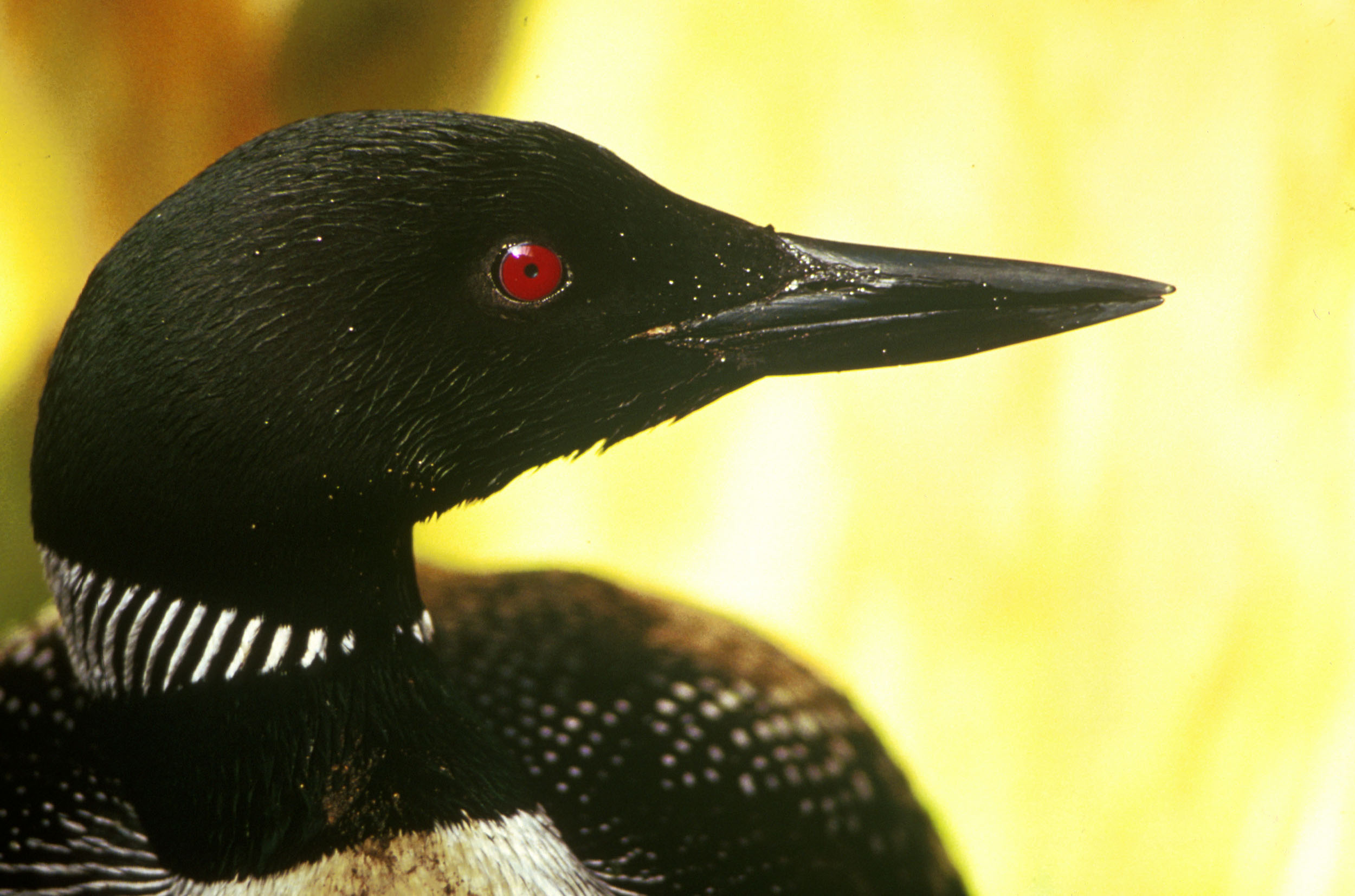
Recent articles
Field reference pieces covering migration timing, habitat ecology, and species documentation across Canadian provinces.

Flyways and Stopover Points
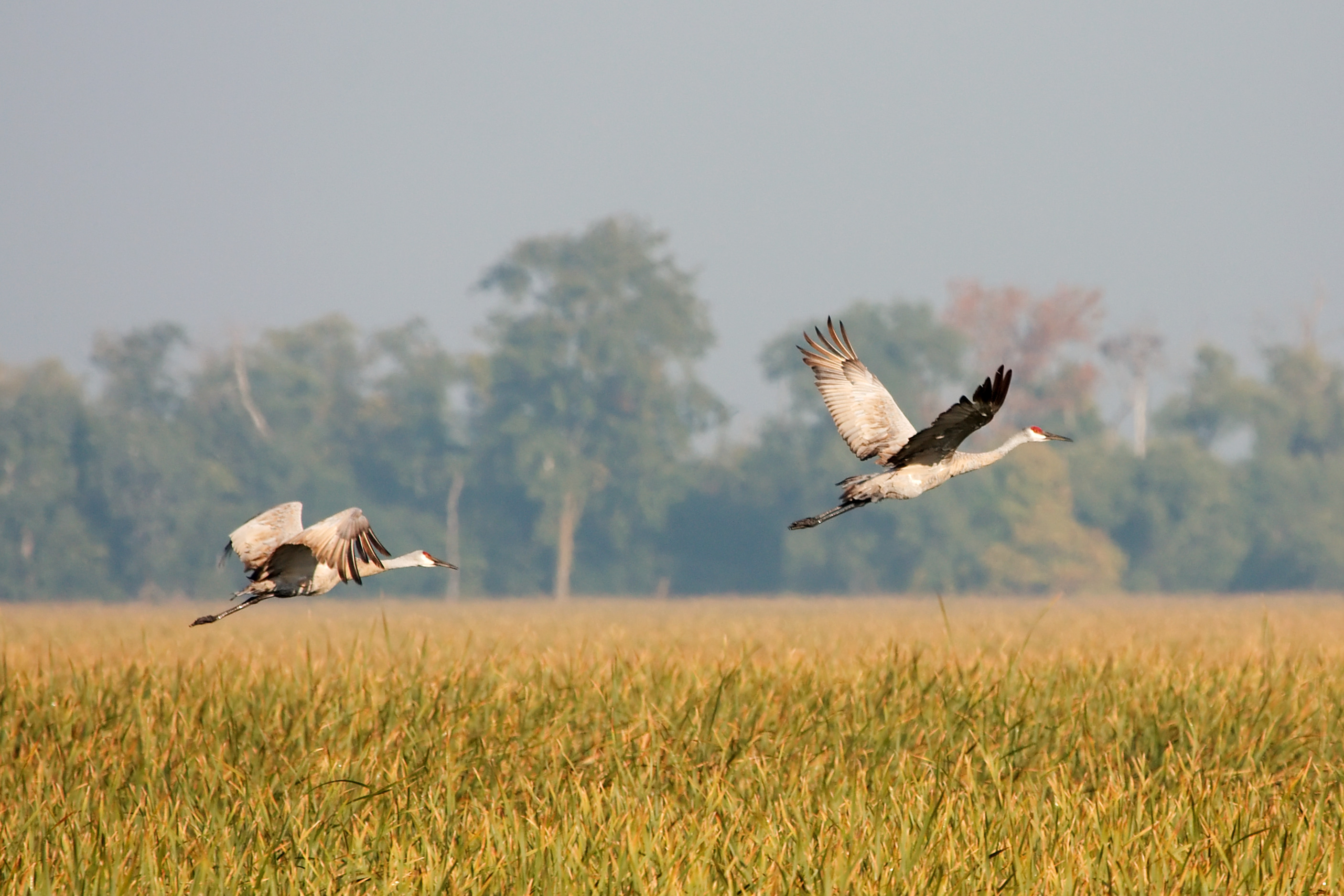
Canada's four principal flyways — Atlantic, Mississippi, Central, and Pacific — each funnel millions of birds through a relatively narrow set of geographic bottlenecks. Knowing where those bottlenecks are, and when traffic peaks, is the foundation of productive birdwatching in any region of the country.
Read the migration referenceKey habitat zones
Canada's geography produces a range of distinct habitat types, each supporting a characteristic suite of bird species. Three zones account for the largest share of avian diversity.

Coastal Estuaries
The mudflats and eelgrass beds of Atlantic and Pacific estuaries host shorebird concentrations in spring and fall that rank among the largest in the western hemisphere.

Boreal Lakes
The Precambrian Shield lake system extending from Ontario through Quebec and into Labrador provides breeding habitat for loons, mergansers, and osprey across millions of hectares.

Prairie Wetlands
Pothole lakes across Saskatchewan and Manitoba form the most productive duck-breeding landscape in North America, with shorebird use peaking during late summer drawdown cycles.
450+
bird species recorded as regular migrants or breeders in Canada
4
major flyways crossing Canadian territory from subarctic to subtropical
380,000
Atlantic Puffin pairs estimated in Newfoundland alone
Habitat Reference: Boreal Shield Lakes
The Common Loon's territory requirements, nesting behaviour, and sensitivity to water quality make it a reliable indicator of lake ecosystem health across Ontario, Quebec, and the Maritimes. A detailed account of the factors governing loon occupancy on Shield lakes is available in the habitat reference.
Read the loon habitat referenceSend a field note or correction
Species records, range corrections, and updated nesting data can be submitted by email or through the contact form on the About page.